
Dystonia is a movement disorder characterized by involuntary muscle contractions that cause twisting and repetitive movements or abnormal postures. It is a neurological condition that can occur at any age and range in severity from mild to severe.
Table of Contents
What is Dystonia?
Dystonia is a movement disorder characterized by involuntary muscle contractions causing twisting and bending movements in a specific area or throughout the body. These contractions can lead to abnormal postures. Spasms typically occur in one part of the body such as the neck, face, arms, legs, trunk or jaw. Muscle spasms can be mild or severe, painful, and can negatively affect daily life.
Dystonia is generally seen in adults but can sometimes occur in children and young people as well. Because dystonia causes involuntary contractions, it can also lead to postural disturbances and vocal tremors. In some patients, contractions occur in the facial muscles, causing abnormal blinking and facial expressions. It can be hereditary, or it can result from head trauma, use of psychotic drugs, oxygen deprivation during birth, and many other secondary causes.
Classification of Dystonia
Dystonia can be classified according to the body region it affects:
Generalized Dystonia
The entire body is affected by the disease.
Focal Dystonia
In this locally progressing type of dystonia, a specific part of the body is affected.
Multifocal Dystonia
This type involves two or more independent body regions being affected.
Segmental Dystonia
Two adjacent regions of the body are affected.
Hemidystonia
Only one side of the body is affected, meaning the arm and leg on the same side.
Subtypes of Dystonia
- Cervical Dystonia: Also known as torticollis or spasmodic torticollis, cervical dystonia is the most common type of focal dystonia. In cervical dystonia, the neck is most commonly affected and the head's posture is disrupted accordingly.
- Blepharospasm: One of the most commonly seen subtypes, blepharospasm occurs when the muscles responsible for blinking contract involuntarily.
- Craniofacial Dystonia: In this subtype of dystonia, the muscles of the face, head and neck are affected.
- Oromandibular Dystonia: In this subtype affecting the lip, jaw and tongue muscles, daily activities such as speaking, eating or mouth movements become difficult.
- Spasmodic Dystonia: Also known medically as laryngeal dystonia, spasmodic dystonia affects the vocal cords and the muscle groups that control them.
- Myoclonic Dystonia: These are sudden and short-lived involuntary muscle movements such as jerking of the hands and feet. These involuntary contractions can appear rhythmically or irregularly. Generally thought to be hereditary, they can arise from brainstem or cortical causes.
Deep Brain Stimulation Surgery in Dystonia
Deep brain stimulation has shown promising results particularly in patients with genetically inherited dystonia who have been evaluated by neurologists and deemed suitable for surgery. Although recovery after surgery may not be seen as immediately as in Parkinson's disease, it becomes more apparent over time and improvement increases further after a few years.
What are the Symptoms of Dystonia?
The symptoms of dystonia vary depending on the body region affected and the type of dystonia. Symptoms such as deterioration of handwriting, cramps in the feet, loss of foot control, sudden contractions in the neck area, and difficulty speaking may be seen. Common symptoms include:
- Abnormal postures: Abnormal positions or twisting in certain parts of the body due to muscle contractions.
- Repetitive movements: Involuntarily repeated movements, such as blinking, neck twisting, or squeezing the hand.
- Tremor: Rhythmic involuntary movements in the muscles.
- Speech disorders: Difficulty or changes in speech due to contractions of the vocal cords.
- Walking difficulties: Difficulty or changes in walking due to contractions in the legs.
What are the Causes of Dystonia?
The exact cause of dystonia is often unknown. However, in some cases the following factors may play a role:
- Genetic predisposition: Having a family history of dystonia may increase the risk. Some types of dystonia can be hereditary. For example, DYT1 gene mutations are the most common genetic cause of dystonia. This mutation affects torsin A, a protein that enables normal muscle function.
- Brain damage: Brain injuries such as oxygen deprivation during birth, trauma, or infections can lead to dystonia.
- Side effects of certain medications: Some medications can cause movement disorders similar to dystonia.
- Neurological diseases: Some neurological diseases such as Parkinson's disease, Huntington's disease, or Wilson's disease may be associated with dystonia.
How is Dystonia Diagnosed?
Blood tests and brain imaging methods are the preferred methods for diagnosing dystonia. Dystonia is usually diagnosed by a neurologist. The following steps may be followed during the diagnosis process:
- Detailed medical history: Information is gathered about the patient's symptoms, family history, and past medical conditions.
- Physical examination: The neurologist evaluates the patient's movements, muscle tone, and reflexes.
- Additional tests: In some cases, additional tests such as brain imaging (MRI or CT scan) or genetic tests may be performed.
How is Dystonia Treated?
Treatment of dystonia varies depending on the severity and type of the patient's symptoms. Dystonia is a treatable condition. It is possible to achieve partial relief with various drug treatments. Treatment options include:
- Medications: Medications such as muscle relaxants, anticholinergic drugs or botulinum toxin injections can help reduce muscle contractions and relieve symptoms.
- Physical therapy: Physical therapy can help increase muscle strength and flexibility, correct posture, and coordinate movements.
- Speech therapy: Speech therapy can be beneficial for patients with speech disorders.
- Surgery: In some cases, particularly in severe dystonia that does not respond to medications, surgical options such as deep brain stimulation (DBS) may be considered.
Deep Brain Stimulation (DBS) in Dystonia
DBS is a surgical treatment that works by placing electrodes in specific target areas of the brain and sending electrical stimuli through these electrodes. DBS can be effective in severe dystonia cases that do not respond to medications.
Benefits of DBS for Dystonia
- Significant improvement in symptoms: DBS can provide a meaningful reduction in dystonia symptoms and improve the patient's quality of life.
- May reduce medication needs: DBS can reduce or eliminate the need for medication in some patients.
- Adjustable treatment: DBS is an adjustable treatment that can be tailored to the patient's needs.
Academic Articles, Publications & Conferences
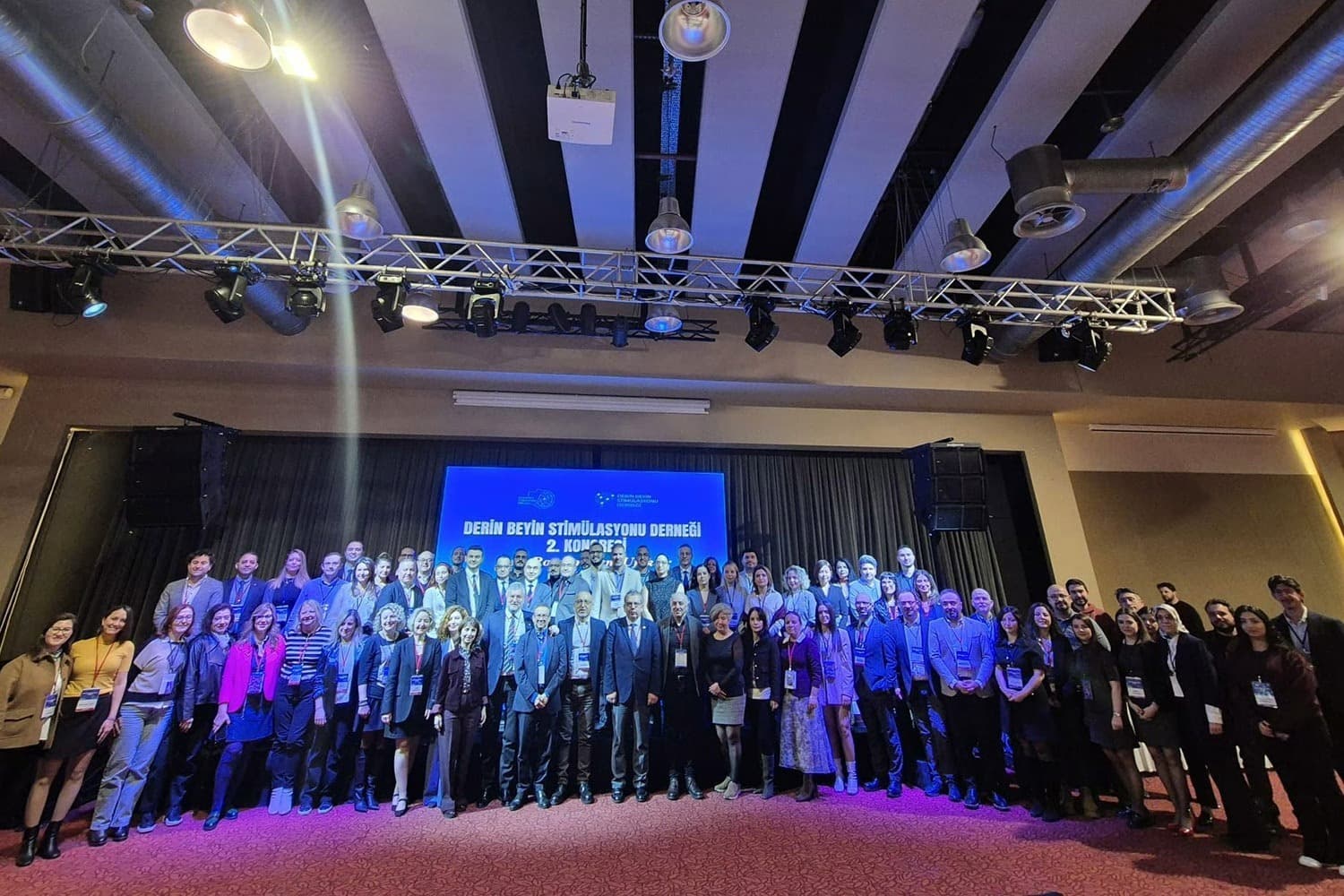
Here you can find Prof. Dr. Ersoy Kocabıçak's peer-reviewed scientific articles, academic studies, and conference presentations on deep brain stimulation and movement disorders.


Ready to discuss your case?
Send your reports before travelling to Istanbul
Share your MRI, medical reports and symptom videos on WhatsApp. Our team will review your information and guide you on whether an in-person DBS evaluation may be appropriate.
Start with a remote case review.