
Epilepsy, commonly known as a seizure disorder, is a brain condition that causes recurrent seizures including loss of consciousness due to abnormal electrical activity fluctuations in the nerve cells of the brain.
Table of Contents
- What is Epilepsy?
- What Are the Types of Epilepsy?
- What Causes Epilepsy?
- What Are the Symptoms of Epilepsy?
- What is an Epilepsy Seizure?
- What to Do to Prevent Epilepsy Seizures?
- How is Epilepsy Diagnosed?
- How is Epilepsy Treated?
- Vagal Nerve Stimulator (VNS)
- What Are the Risk Factors for Epilepsy?
- Frequently Asked Questions About Epilepsy
What is Epilepsy?
Epilepsy is a brain condition that causes recurrent seizures including loss of consciousness due to abnormal electrical activity fluctuations in the nerve cells of the brain. Having two or more seizures is considered a diagnosis of epilepsy. Epilepsy is a disease that occurs in seizures. Between seizures, the patient is healthy. A patient who has had only one seizure in their lifetime is not considered an epilepsy patient.
What Are the Types of Epilepsy?
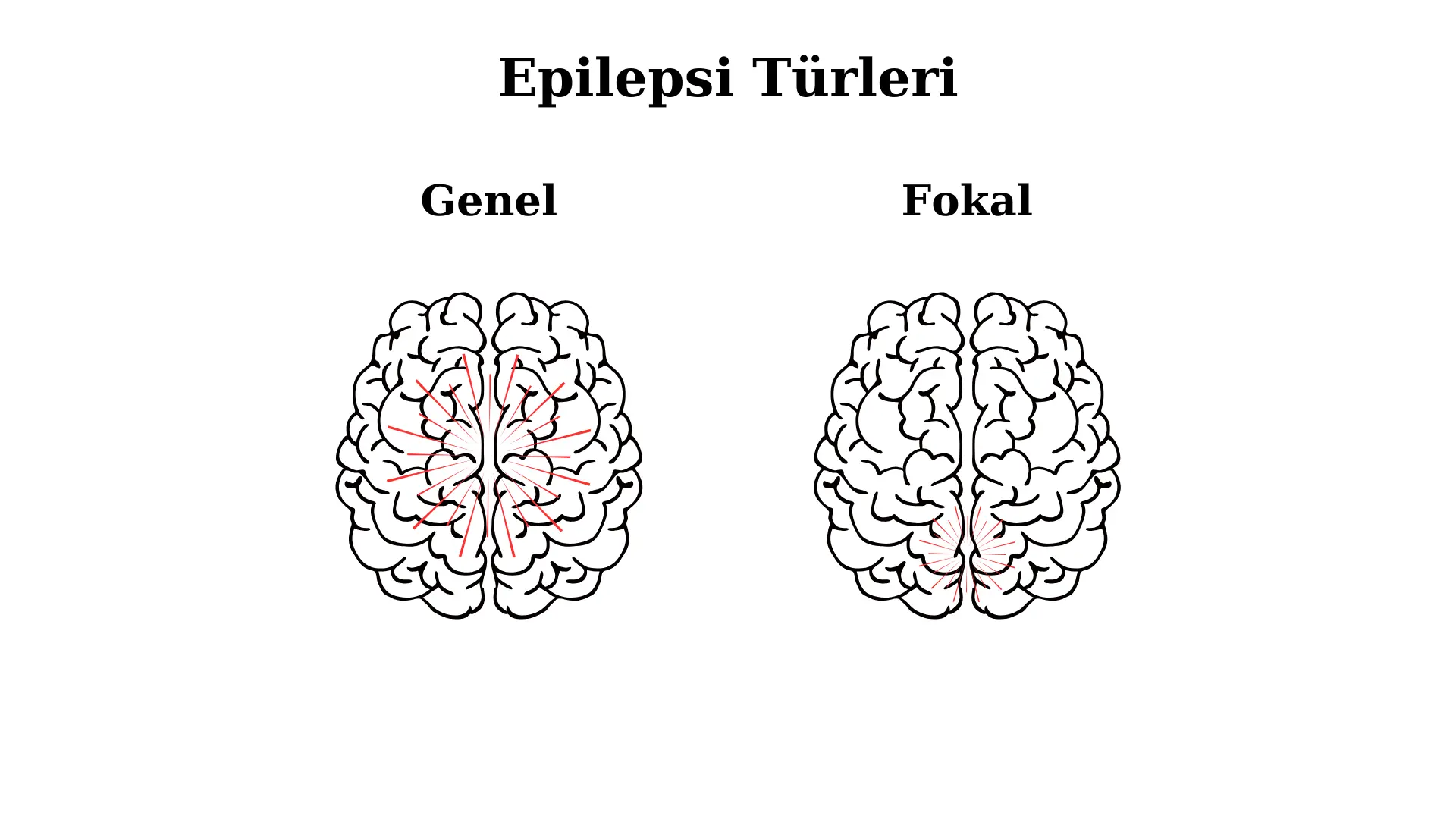
Epilepsy is broadly divided into two main groups: generalized epilepsies and focal epilepsies.
Generalized Epilepsies
Generalized epilepsies are seizures that affect all areas of the brain. The most common subtype is absence epilepsy. In absence epilepsy, which is frequently seen in childhood, awareness may be lost for a few seconds and the patient begins to stare blankly, or twitching appears in the eyelids or facial muscles. In another subtype, atonic seizures, there is a sudden relaxation of all muscles. In tonic seizures, another subgroup of generalized epilepsies, unlike atonic seizures, all muscles contract and the patient suddenly falls to the ground like a felled tree. There are no warning signs before atonic and tonic epilepsies; the patient cannot know where or how they will fall.
Focal Epilepsies
Focal epilepsies are seizures that affect a part of the brain; some subtypes show warning signs. Warning signs include a feeling rising from the stomach, feeling like you are reliving a moment, or unexplained fear. Thanks to these warning signs, the patient can move to a safe place before the seizure.
In both types of epilepsy, crises known as grand mal seizures that cause convulsions can occur. Sometimes focal seizures can also turn into grand mal seizures.
What Causes Epilepsy?
Epilepsy can occur due to genetic factors, congenital anomalies, and birth traumas. Additionally, many different factors such as some cerebrovascular diseases, brain inflammation, head trauma, brain hemorrhage, presence of tumors, high fever illness in childhood, and alcohol use can play a role in the development of epilepsy. However, in many epilepsy patients, the cause of the seizures cannot be determined.
What Are the Symptoms of Epilepsy?
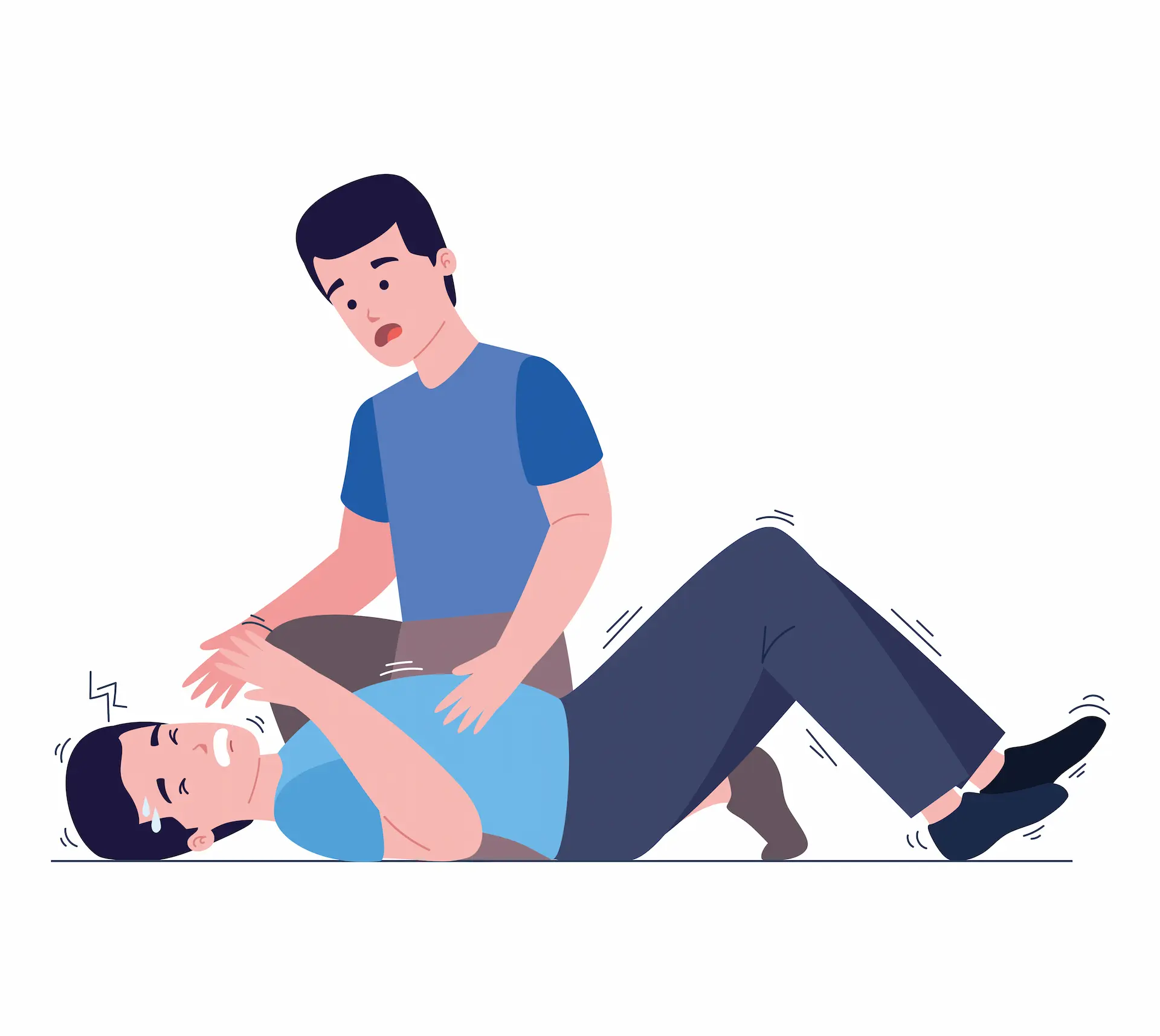
Common symptoms of epilepsy include uncontrollable shaking of the arms and legs, staring blankly, hallucinations of sound, vision, taste or smell, and loss of consciousness. Epilepsy symptoms that indicate seizure attacks are developing include:
- Uncontrollable shaking and trembling
- Tingling in arms and legs
- Rhythmic nodding of the head
- Body going completely rigid
- Inability to respond to surroundings
- Feeling of having lived the moment before (déjà vu)
- Unusual smell and taste hallucinations
- Sudden and rapid blinking
Loss of consciousness, foaming at the mouth, teeth clenching, and biting of the tongue may also occur during epilepsy crises.
What is an Epilepsy Seizure?

An epilepsy seizure is a temporary condition that arises from a sudden, abnormal and uncontrolled increase in electrical activity in the brain. These seizures, which can originate from different regions of the brain, can affect a person's level of consciousness, emotions, movements and perceptions. Epilepsy seizures can generally last from a few seconds to a few minutes and can vary from person to person.
The symptoms of epilepsy seizures vary depending on the type of seizure. For example, a person may experience loss of consciousness during a seizure, involuntary convulsions may occur, or only brief periods of confusion may be experienced. Some seizures manifest as severe convulsions affecting the entire body, while others may be limited to limited muscle movements in a specific area.
What to Do to Prevent Epilepsy Seizures?
Methods that can be applied to prevent epilepsy seizures are possible through arrangements in the person's lifestyle and strict adherence to the treatment plan recommended by the doctor. Here are important steps that can help reduce the risk of epilepsy seizures:
1. Continue Medication Treatment Regularly
One of the cornerstones of epilepsy treatment is the regular use of antiepileptic drugs prescribed by the doctor. Skipping medications can increase the risk of seizures. A doctor should be consulted before making any changes to dosages.
2. Pay Attention to Sleep Schedule
Insufficient sleep is an important factor that can trigger epilepsy seizures. Getting enough sleep each night and establishing a regular sleep schedule can be effective in reducing the risk of seizures.
3. Stress Management
Since excessive stress can trigger seizures, stress management is of great importance. Methods such as yoga, meditation, deep breathing exercises and relaxation techniques can help reduce stress.
4. Healthy Nutrition and Hydration
Developing a balanced and healthy eating habit can help control seizures. Adequate water consumption is also important. In some patients, special diets such as the ketogenic diet can help reduce seizures, but such diets should only be applied under medical supervision.
5. Avoiding Triggers
Factors that trigger epilepsy seizures can vary from person to person. Fatigue, bright lights, alcohol consumption and some medications can increase the risk of seizures. Knowing your own triggers and avoiding them is an important step in preventing seizures.
6. Regular Check-ups
Epilepsy patients should go to regular doctor check-ups. The effectiveness of the treatment plan, drug doses and possible side effects should be evaluated regularly.
7. Electronic Devices and Bright Lights
In some individuals, especially in photosensitive epilepsy cases, bright and flashing lights can trigger seizures. Exposure time to such devices should be limited and protective glasses should be used if possible.
8. Avoiding Alcohol and Substance Use
Alcohol and illegal substances can trigger epilepsy seizures and reduce the effectiveness of antiepileptic drugs. For this reason, these substances should be completely avoided.
9. Physical Safety Measures
Care should be taken to prevent injuries that may occur during an epilepsy seizure. For example, not being alone during activities such as swimming and avoiding furniture with sharp corners indoors are helpful.
Applying all these steps is important to prevent epilepsy seizures. However, since each individual's situation is different, it is necessary to consult a neurologist to determine the most appropriate methods.
How is Epilepsy Diagnosed?
A good description of the type of seizure is needed to diagnose epilepsy. Therefore, people who have witnessed the seizure are needed. The disease is followed by pediatric or adult neurologists. Epilepsy diagnosis is based on seizure history. For this reason, a neurological examination is first performed. The doctor takes into account the parts remembered from the experiences, the emotions felt before the seizures occur, or various symptoms in the diagnosis. Tests such as EEG, MRI, computed tomography and PET may be requested to diagnose the patient.
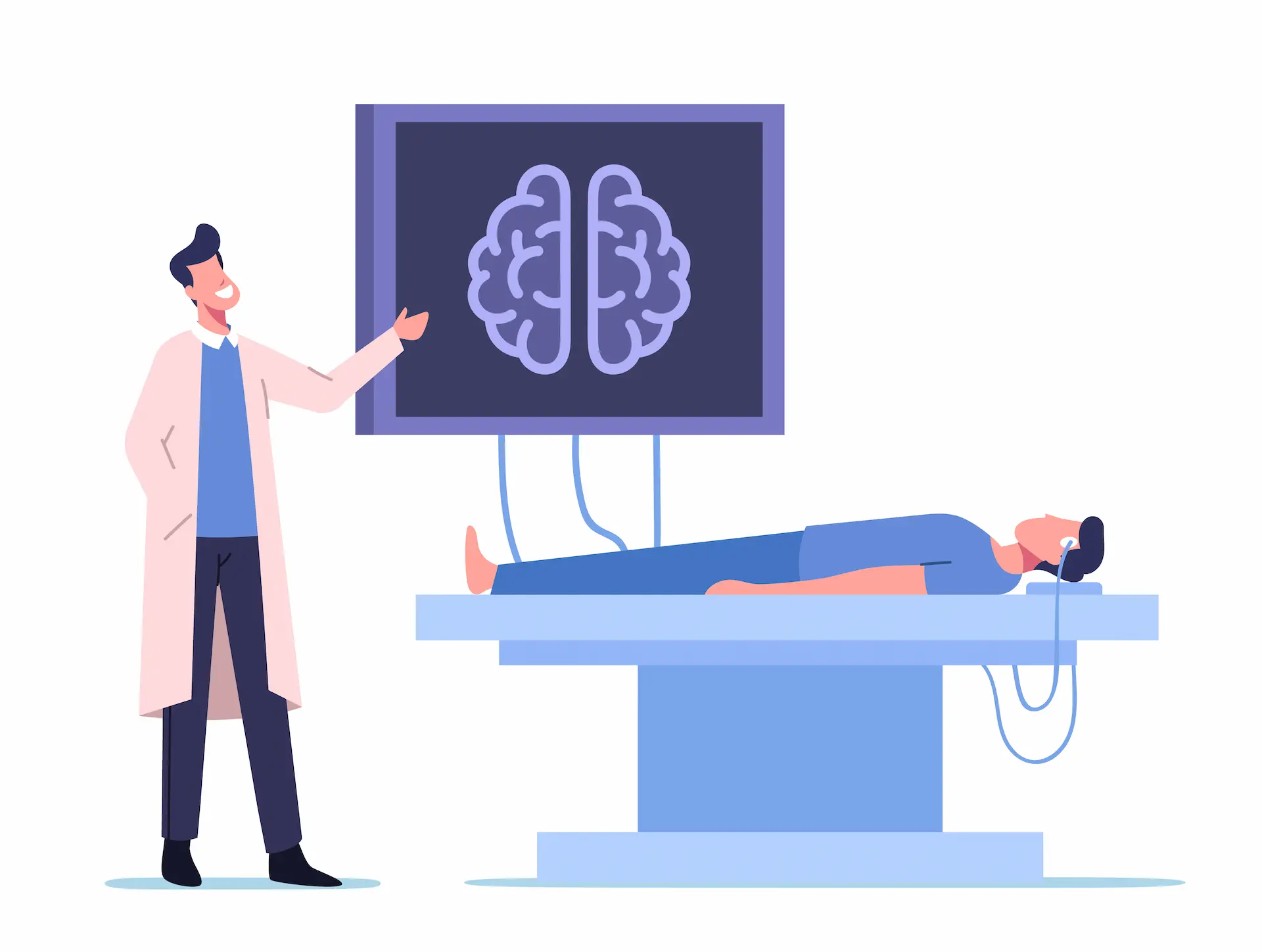
Electroencephalography (EEG) is a very important test for epilepsy diagnosis. An electroencephalogram (EEG) test is performed to capture unusual electrical activity that may occur in the brain in epilepsy. With this test, small sensors are attached to the scalp to capture the electrical signals produced when brain cells send messages to each other, and abnormalities are monitored.
How is Epilepsy Treated?
After the person is diagnosed with epilepsy, the doctor aims to stop epilepsy seizures with drug treatment. It is extremely important to use the drugs known as anti-epileptic drugs at the specified dose and duration.
In most cases, the patient's seizures end with drug treatment. However, if the seizures continue, different surgical treatment methods can be applied depending on the underlying focal disorder. In such patients, non-drug treatment options such as surgery, epilepsy pacemaker (VNS – Vagal Nerve Stimulator) and ketogenic diet come to the fore. With resective surgery, the epileptic focus is eliminated. With functional or palliative surgery, seizure propagation pathways are separated. This reduces the frequency and severity of the person's seizures.
Vagal Nerve Stimulator (VNS)
Vagal Nerve Stimulation, known among the public as Vagus Pacemaker, Epilepsy Pacemaker, or Sara Pacemaker, is one of the alternative methods used in epilepsy treatment. The vagal nerve stimulator, which is generally applied to epilepsy patients who are resistant to long-term drug treatment, is currently applied more to patients who have undergone surgical operations but whose seizures continue. After the application, epilepsy seizures decrease significantly. In some patients, seizures stop completely. It is based on the principle of wrapping an electrode around the vagus nerve, which travels next to the carotid artery in the neck region, connecting it to a battery source, and suppressing abnormal activities in the brain with the produced electrical currents.
What Are the Risk Factors for Epilepsy?
Many factors can play a role in the development of epilepsy. Among these:
- Head trauma
- Brain tumors
- Brain infections
- Brain damage (congenital or acquired)
- Genetic factors
- Sensory or metabolic disorders
- Familial epilepsy (due to certain genetic mutations)
Frequently Asked Questions About Epilepsy
Can Epilepsy Seizures Occur During Sleep?
Epilepsy seizures can occur in some people during sleep, while falling asleep, or when waking up. These types of seizures are generally called "nocturnal seizures." Nocturnal seizures are characterized by sudden jerking movements, strange body positions or arm and leg movements, loud crying or screaming, and sleepwalking.
Which Epilepsy Patients Are Eligible for Vagal Nerve Stimulator (VNS)?
Battery application is suitable for patients who are resistant to drug treatment and whose seizures continue even after surgery. A battery is implanted in patients who still have seizures despite ongoing treatment with at least two medications.
What is the Success Rate of Vagal Nerve Stimulator Application?
Vagal nerve stimulator application gives quite positive results in most patients. While seizures stop completely in some patients, significant reduction in seizures has been observed in some patients. However, in some patients, very little improvement is seen or no effect is shown at all.
How to Help Someone Having an Epilepsy Seizure?
Do not try to stop or restrain the patient's movements. Lay the patient in a safe place. Move the patient away from sharp or hard objects that could cause injury. Loosen tight clothing and remove glasses if any. Lay the patient on their side so that saliva can flow out and keep the airway open for comfortable breathing. Never try to put anything in their mouth. Forceful movements related to the jaw are harmful.
First Aid During a Seizure
Do not try to stop or restrain the patient's movements. Move the patient to a safe place. Keep them away from sharp or hard objects. Loosen tight clothing and remove glasses if present. Lay the patient on their side so that saliva can flow out. Never put anything in their mouth or try to open their teeth. Forceful movements related to the jaw are harmful.
Academic Articles, Publications & Conferences
Here you can find Prof. Dr. Ersoy Kocabıçak's peer-reviewed scientific articles, academic studies, and conference presentations on deep brain stimulation and movement disorders.




Ready to discuss your case?
Send your reports before travelling to Istanbul
Share your MRI, medical reports and symptom videos on WhatsApp. Our team will review your information and guide you on whether an in-person DBS evaluation may be appropriate.
Start with a remote case review.